Sister company, D3 Glass honored as GrowFL “Company To Watch” Award Winner
Sister company, D3 Glass honored as a GrowFL Company to Watch Award Winner
D3 Glass, a glass fabricator based out of Fort Myers, Fla., was 1 of only 50 companies in state to be recognized.
D3 Glass (d3glass.com) is pleased to announce that the company has been honored as a GrowFL Florida Company to Watch for 2022. The awards program attracted over 400 nominations, with 66 companies selected as finalists and only 50 chosen as award winners.
The 12th Annual GrowFL Florida Companies to Watch award honors impressive second-stage companies from throughout the state for developing valuable products and services, creating quality jobs, enriching communities, and broadening new industries throughout Florida.
“To be recognized from among over 500 nominees is a great honor for us as a company. Our team has worked hard and dedicated many years to growing the company and making a positive impact in our community. I’m thrilled for the D3 Glass family and what we have accomplished since we started the company nearly 20 years ago.”
~ Bill Daubmann, President and Founder of Fort Myers-based MY Shower Door / D3 Glass.
MY Shower Door / D3 glass has won several awards in recent years, consistently standing out because of its state-of-the-art design and quality workmanship. The company started in 2003 as a small showroom and assembly operation in Naples, Fla., later delving into manufacturing by founding D3 Glass in 2013.
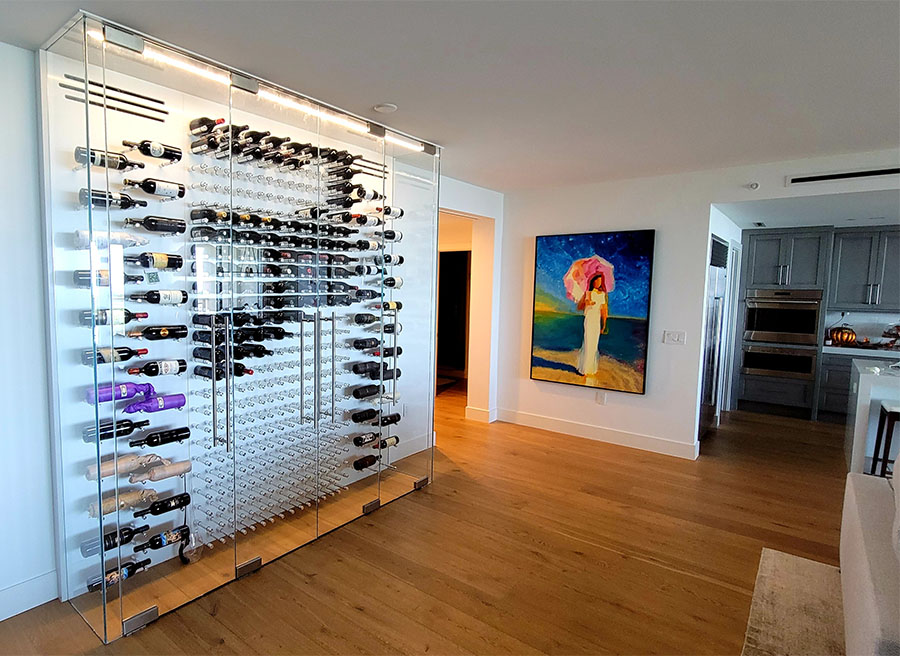
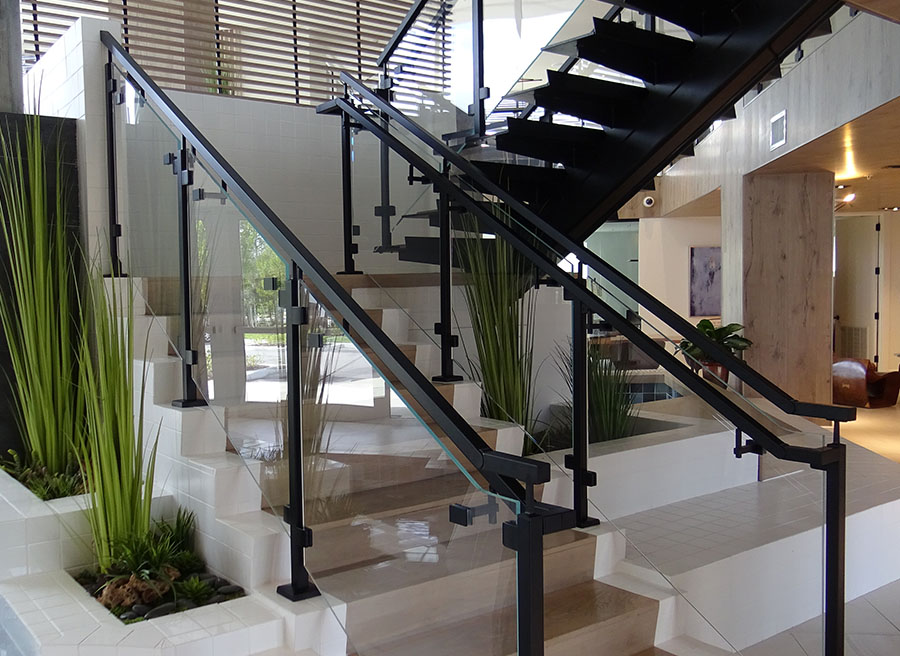
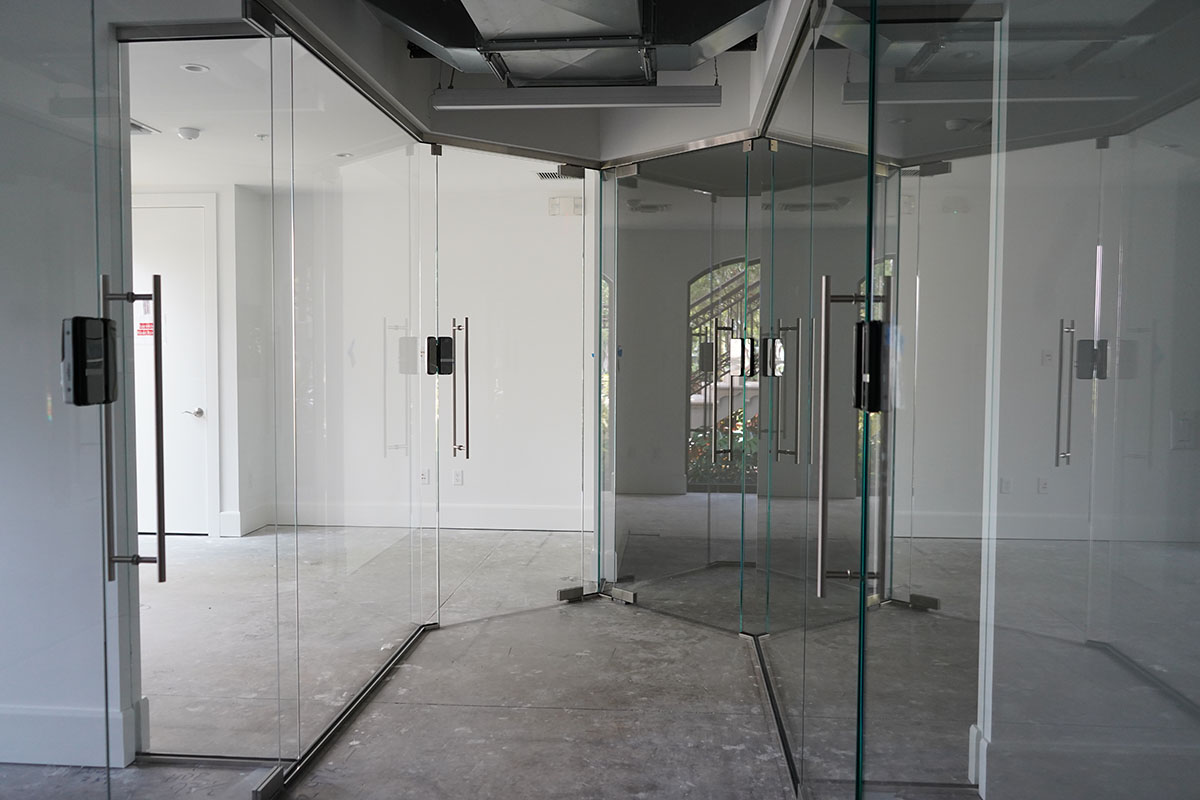
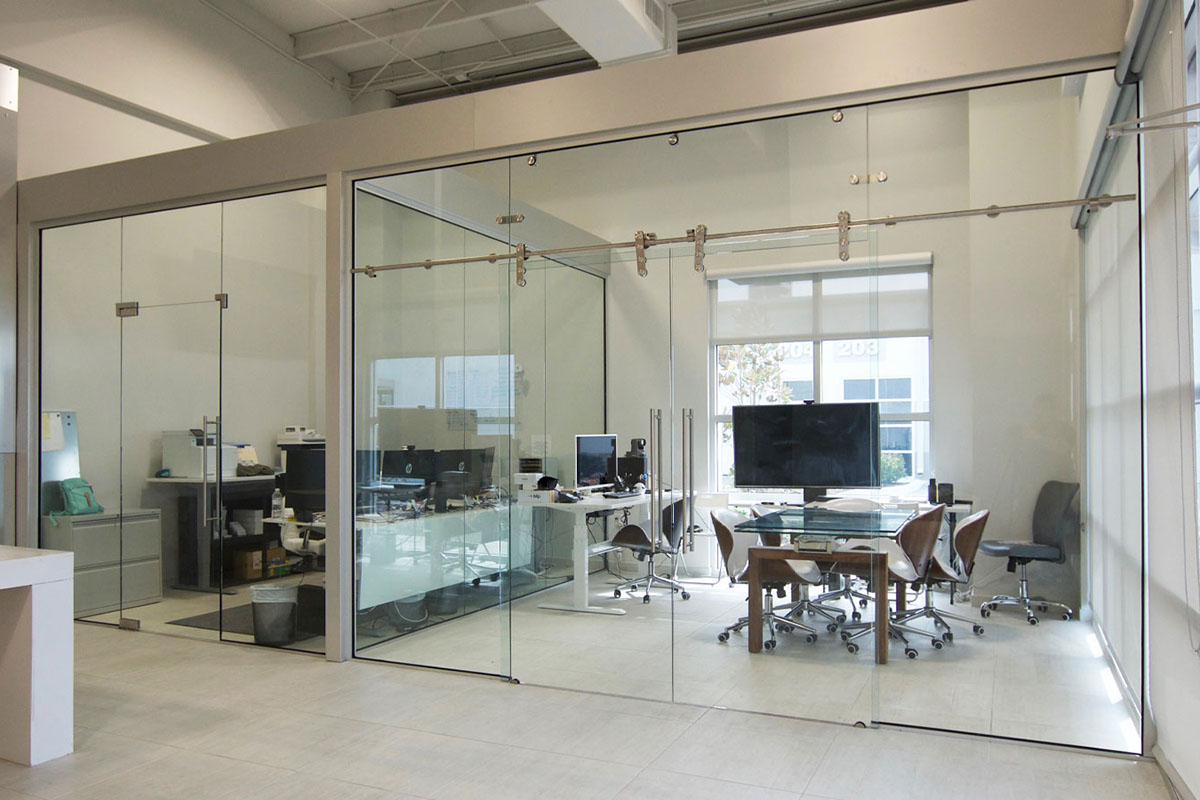
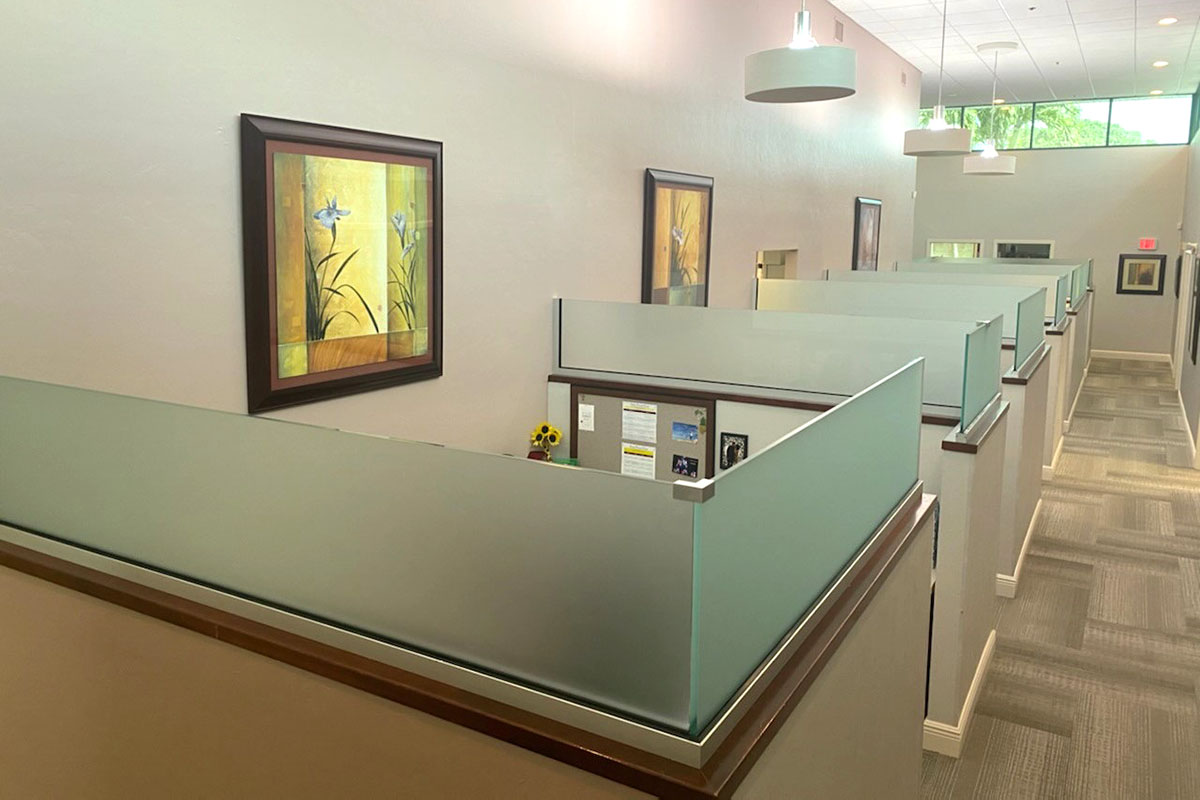
D3 Glass continues its explosive growth in glass fabrication and tempering, allowing the company to manufacture its own glass and expand its brand over the past several years. The company now makes and installs frameless shower doors for nine Florida MY Shower Door locations and other glass shops in Florida. Additional products include bulletproof glass, decorative glass, wine closets, staircases, office partitions, and other glass products.
Five hundred fifty companies across Florida have been named GrowFL Florida Companies to Watch Honorees since its inception in 2011, including MY Shower Door in 2013. Together, the 12th Annual GrowFL Florida Companies to Watch Finalists represent nearly 2,000 jobs and generates over $430 million in revenue. These companies, all of which are “worth watching,” anticipate a growth of 40 percent in revenue and 18 percent in employment by the end of 2022.
Companies to Watch was developed by the Edward Lowe Foundation as a unique way to recognize and honor second-stage companies that demonstrate high performance in the marketplace with innovative strategies and processes. In addition to evaluating past growth and projected success, applicant companies are judged according to their special strengths and impact in their markets, communities, and within the state – thus deeming them “worth watching.”
The 12th Annual GrowFL Florida Companies to Watch awards celebration will take place on February 23, 2023, at Hard Rock Live, Universal City Walk, Orlando, Fla. For more information, visit https://growfl.com/about-growfl-flctw/ The Daubmanns’ are leaders in their industry and have seen their company grow from the original four founding family members to the current 185 employees throughout the State of Florida. They’ve established six affiliate stores in Oklahoma City and Edmond, Okla.; Grand Rapids, Mich.; St. Paul and Minneapolis, Minn., and York, Pa.
Tickets are on sale now for the awards celebration!
Thursday, February 23, 2023
Hard Rock Live | Universal Studios, Orlando, Florida